


Viator Rating : 5 (1341 reviews)

Dyvarcity Score : 7.0/10 (Solid Experience)
 Pompeii
Pompeii & Herculaneum: Archaeologist-Led Small Group Tour
Overview
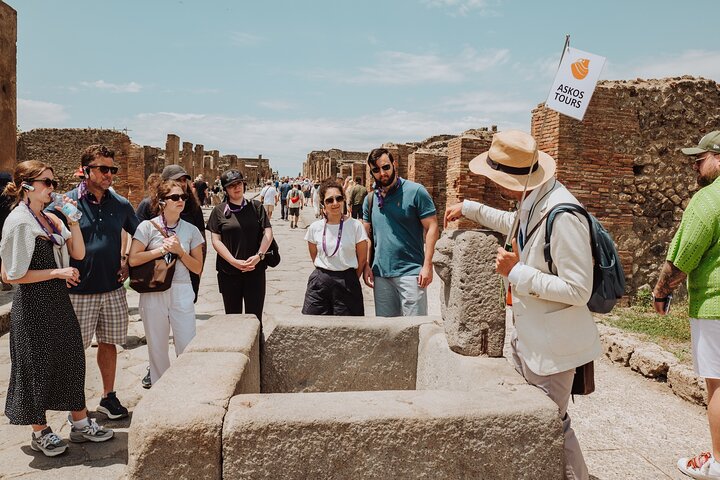
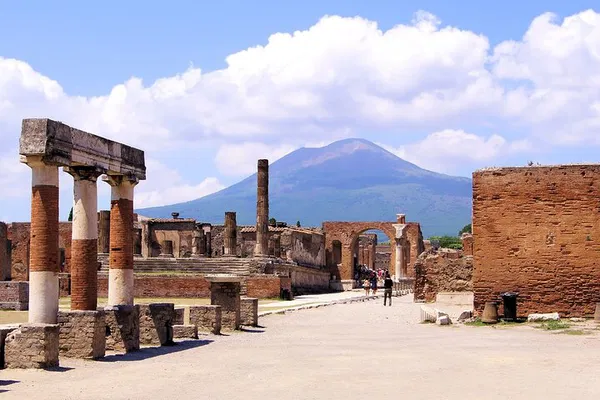
 Explore the ancient Roman cities frozen in time with the Pompeii and Herculaneum Small Group Tour with an Archaeologist. This walking tour takes visitors on a journey through history, unveiling the secrets of Pompeii and Herculaneum, both victims of Mount Vesuvius's eruption in 79 AD.
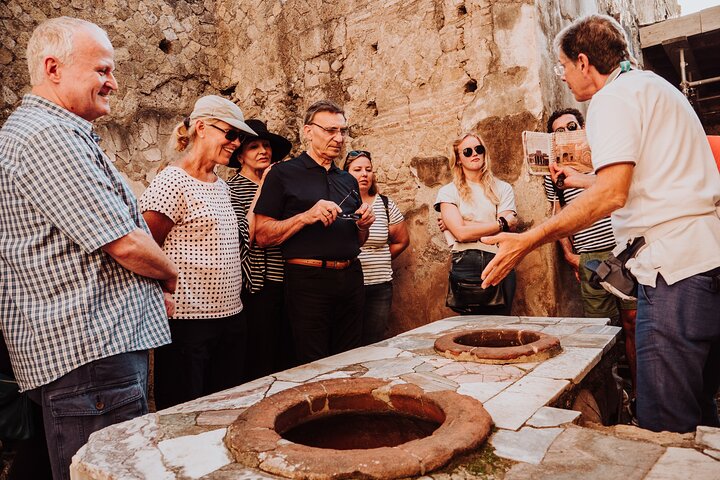
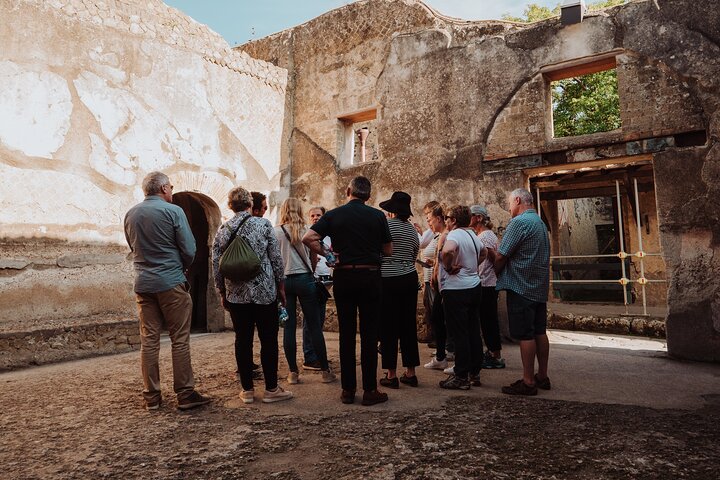
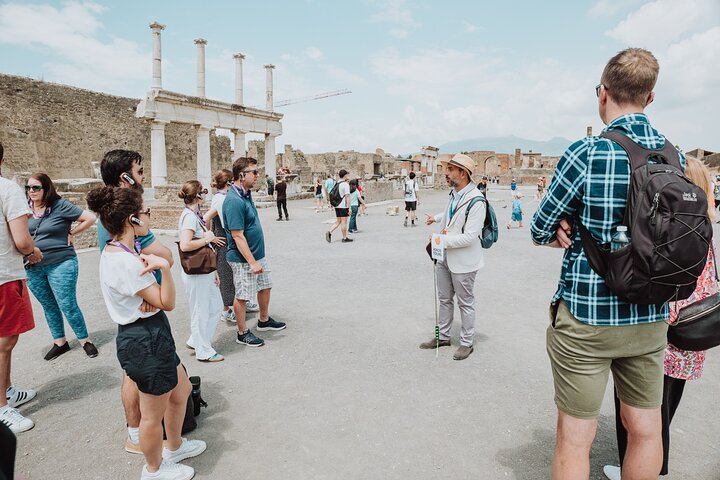
Led by an expert archaeologist, the tour begins at the Porta Marina Inferiore entrance of Pompeii. Guests will discover the best preserved ruins like the Basilica of Pompeii, Pompeii Main Square (Forum), Main Street of Pompeii, House of Menander, Granary of Pompeii, Stabian Baths, Lupanar (Brothel), House of the Faun, Teatro Piccolo (Odeon), Pompeii's Large Theater, Herculaneum Ticket Office, House of the Stags, Herculaneum's Public Buildings Honoring M. Nonius Balbus, Building of the Augustales, House with the Opus Craticium, House with Wooden Partition, House of the Skeleton, Central Thermae of Herculaneum, House of the Black Hall, Samnite House, House of the Relief of Telephus, Domus in the Centre of Herculaneum. See the Forum, important houses, buildings, and the haunting plaster casts of the eruption's victims. After a break, a short Circumvesuviana train ride takes you to Herculaneum.
Herculaneum, though smaller, is remarkably well-preserved. The tour explores the beach where over 300 skeletons were discovered. The experience includes guidance by an archaeologist, a one-way train ticket from Pompeii to Herculaneum, and entrance fees including the "Pompei Express" admission fee. This tour does not include pick-up/drop-off or meals. It offers an in-depth look into Roman life and the disaster that befell these cities. 
Experience DNA Fingerprint
Scores are shown on a scale of 1 to 10, 1 = lowest score, 10 = highest score.
What People Love

Safety (8 - Secure) : Strong feeling of safety and control

Upsell Risk (8 - Transparent) : No upsells or hidden costs

Instagram Factor (8 - Iconic) : Highly photogenic and memorable

Guide Quality (9 - Exceptional) : Engaging and memorable

Guide Reliability (9 - Dependable) : On time with strong follow-through
What to Watch Out For

Crowd Density (6 - Standard) : Normal crowd, some waiting or tight spots

Logistics (6 - Friction) : Issues but experience continued

Mobility (4 - Moderate) : Some effort required

Pacing (5 - Uneven) : Inconsistent or mixed pacing
Highlights

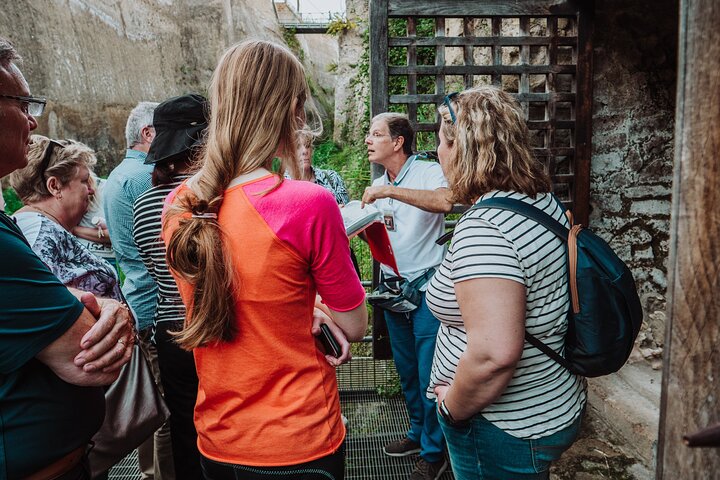
Expert Archaeologist Guide: Explore Pompeii and Herculaneum with a knowledgeable archaeologist.
Small Group Experience: Enjoy a more personalized tour with a smaller group size.
Two Sites in One Day: Visit both Pompeii and Herculaneum, maximizing your time.
Skip-the-Line Access: Bypass the long queues with included entrance fees.
Sentiment Analysis
 Visitors loved having a knowledgeable archaeologist guide to explain the history.
-
Many appreciated the small group size, which allowed for a more personal experience.
-
The tour helped people understand what happened and how people lived back then.
-
Travelers were grateful for the chance to see both Pompeii and Herculaneum in one day.
 Some visitors felt rushed at certain points during the tour.
-
A few people mentioned that they wished they had more free time to explore on their own.
The Journey
Basilica of Pompeii
Step back in time within the Basilica of Pompeii, once a bustling hub of commerce and justice. Imagine merchants haggling, citizens debating, and lawyers pleading their cases under the open portico, which provided shelter from the elements. This impressive structure offers insight into the civic and economic heart of Pompeii before its tragic demise.
Pompeii Main Square (Forum)
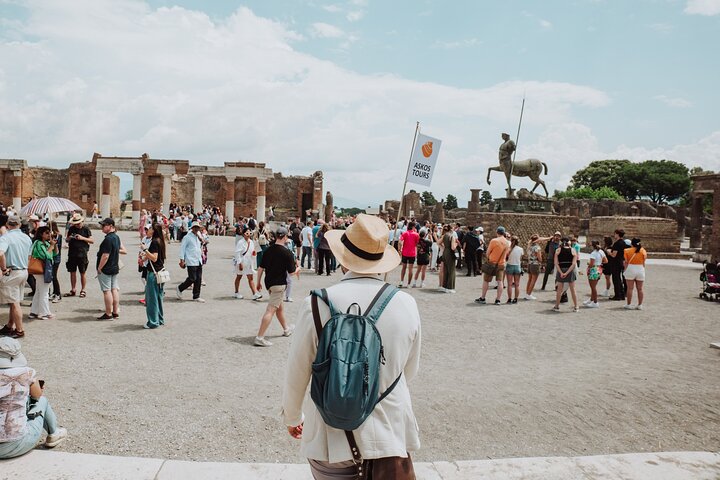
Wander through the ancient main square of Pompeii, the Forum, the epicenter of political, religious, and social life. Marvel at the remnants of temples, government buildings, and public spaces, visualizing the vibrant activity that once filled this vital area. Imagine the speeches, ceremonies, and everyday interactions that shaped Pompeii's destiny.
Main Street of Pompeii
Stroll down the main street of Pompeii, retracing the footsteps of ancient Romans. Observe the chariot tracks etched into the stone pavement, envisioning the bustling traffic that once flowed through this vital artery. Lined with shops, workshops, and residences, this street provides a tangible connection to the everyday life of Pompeii's inhabitants.
House of Menander
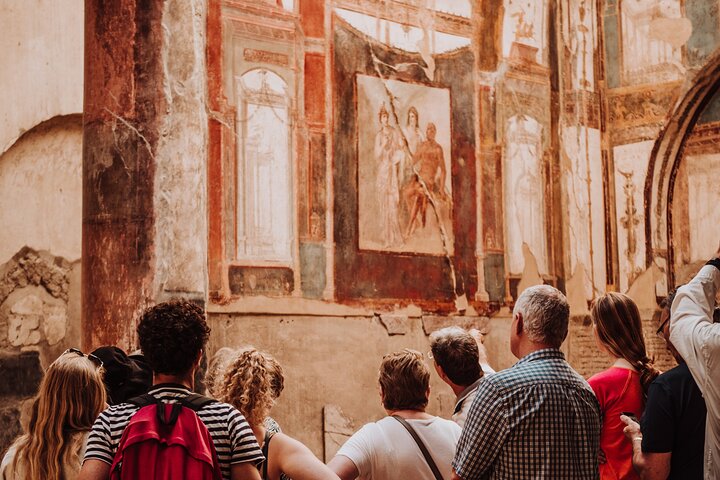
Explore the House of Menander, one of Pompeii's most opulent residences, showcasing the wealth and refined taste of its owner. Admire the stunning frescoes, intricate mosaics, and impressive architecture that reveal a life of luxury. Discover the well-preserved silver tableware and a portrait of the Greek playwright Menander, offering a glimpse into the cultural interests of the elite.
Granary of Pompeii
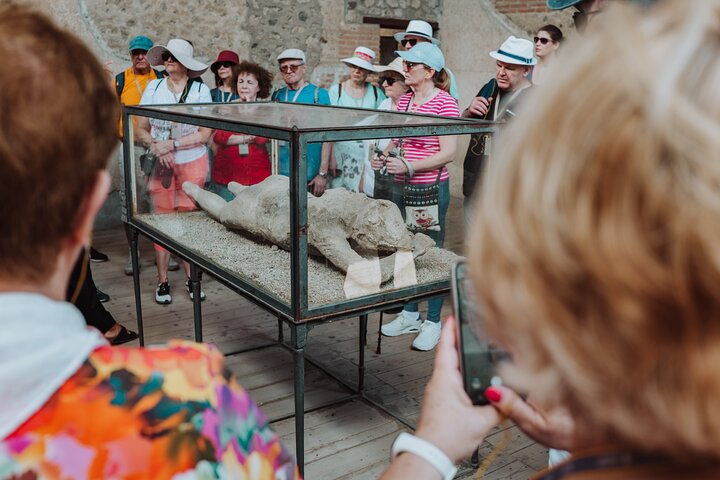
Reflect upon the tragedy of Pompeii at the Granary, a former marketplace now housing poignant casts of eruption victims. Witness the haunting forms of those who perished, alongside marble tables, fountain baths, and a cast of a dog, providing a powerful reminder of the city's sudden and devastating end.
Stabian Baths
Immerse yourself in the ancient world at the Stabian Baths, Pompeii's oldest thermal complex. Explore the separate bathing areas for men and women, marvel at the well-preserved frescoes and mosaics, and imagine the social rituals that unfolded within these walls. Discover the sophisticated heating systems and architectural design that made these baths a center of Roman life.
Lupanar (Brothel)
Venture into the Lupanar, Pompeii's most famous brothel, offering a unique and uncensored glimpse into Roman social life. Observe the explicit frescoes and graffiti that adorned the walls, revealing the intimate details of this ancient profession. This well-preserved establishment provides a fascinating and sometimes shocking insight into the city's vibrant culture.
House of the Faun
Step into the House of the Faun, one of Pompeii's largest and most impressive private residences. Admire the stunning Alexander Mosaic, a masterpiece of Roman art depicting the Battle of Issus, and explore the numerous courtyards, gardens, and rooms that showcase the wealth and sophistication of its owners. This opulent house offers a glimpse into the lavish lifestyle of Pompeii's elite.
Teatro Piccolo (Odeon)
Discover the Teatro Piccolo, also known as the Odeon, a smaller, covered theater in Pompeii used for musical performances and recitations. Admire the well-preserved architecture and imagine the lively entertainment that once filled this intimate space. This theater offers a glimpse into the cultural life and artistic pursuits of Pompeii's residents.
Pompeii's Large Theater
Visit the grand Theater of Pompeii, an imposing structure that once hosted dramatic performances and public gatherings. Visualize the crowds cheering, actors performing, and the vibrant atmosphere of ancient Roman entertainment. Explore the seating areas, stage, and backstage areas, gaining a sense of the scale and importance of this cultural landmark.
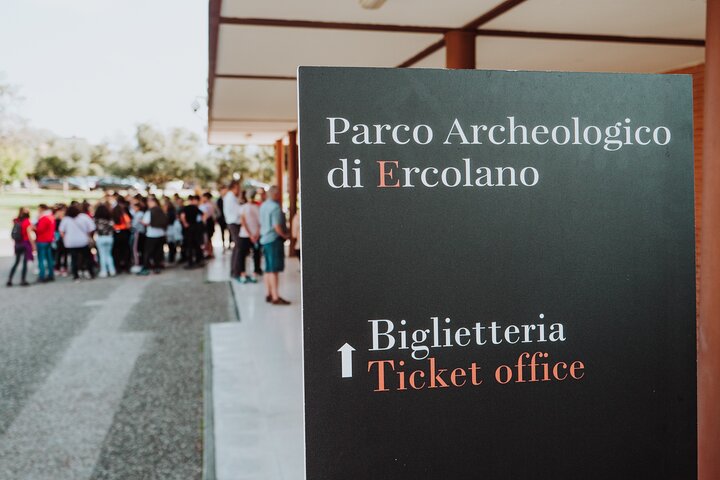
Herculaneum Ticket Office
Meet at the Ticket Office of the Herculaneum ruins, the starting point for your exploration of this remarkably preserved Roman town. Conveniently accessible by car or train, Herculaneum offers a unique glimpse into the past. Prepare to uncover the treasures of this ancient site, buried by the same eruption that destroyed Pompeii but preserved in a different way.
House of the Stags
Discover the House of the Stags, an elegant Herculaneum residence named for the marble statues of deer found in its peristyle. Admire the refined architectural details, well-preserved frescoes, and stunning views of the Bay of Naples. This luxurious home offers insight into the lifestyle of Herculaneum's elite and its access to the sea.
Herculaneum's Public Buildings Honoring M. Nonius Balbus
Reflect on the legacy of M. Nonius Balbus, Herculaneum's generous benefactor, as you explore the city's public buildings. Discover the inscription on his funeral altar, detailing the honors bestowed upon him for his contributions to the city's restoration and development. His dedication to Herculaneum ensured the longevity and prosperity of the city before its tragic destruction.
Building of the Augustales
Explore the Building of the Augustales in Herculaneum, believed to have been a center for the cult of Emperor Augustus and the headquarters of the Collegium Augustalium. Examine the architectural remains and imagine the religious and civic activities that took place within these walls. This site provides insights into the Roman imperial cult and its influence on local communities.
House with the Opus Craticium
Visit the House with the Opus Craticium, an unusual and important Herculaneum residence. The house possibly belonged to one of the town's leading benefactors, Marcus Nonius Balbus and is somewhat unusual in that it has its own private access to the adjoining Suburban Thermae to the south. Its distinguishing feature is the ancient 'opus craticium' construction technique, featuring a framework of wood and clay. This home offers insight into building practices and the daily lives of ancient Romans.
House with Wooden Partition
Discover the House with the Wooden Partition in Herculaneum, notable for the elegant and remarkably preserved wooden screen that once divided its rooms. Admire the craftsmanship and imagine the original function of this unique architectural feature. The fragile partition provides a rare glimpse into the interior design and domestic life of Roman Herculaneum.
House of the Skeleton
Explore the House of the Skeleton in Herculaneum, named for the discovery of human remains within its walls. Observe the architectural layout of this complex residence, likely formed by the aggregation of smaller buildings. Ponder the poignant story behind its name, a reminder of the sudden and tragic fate that befell the city's inhabitants.
Central Thermae of Herculaneum
Immerse yourself in Roman bathing culture at the Central Thermae of Herculaneum. Discover the separate bathing areas for men and women, complete with intricate mosaics, heated rooms, and communal spaces. Imagine the social interactions and relaxation rituals that unfolded within these well-preserved bathhouses.
House of the Black Hall
Step into the House of the Black Hall, one of Herculaneum's most luxurious mansions. Marvel at the monumental entrance, which still retains the carbonized remains of the doorposts and lintel. Admire the refined architectural details and imagine the opulent lifestyle of its wealthy residents.
Samnite House
Explore the Samnite House, a well-preserved residence that showcases the influence of Samnite architectural traditions in Herculaneum. Admire the splendid atrium, skirted by a gallery with Ionic columns, and the rooms decorated with frescoes. This house offers a glimpse into the cultural heritage and artistic tastes of the city's inhabitants.
House of the Relief of Telephus
Step into one of the most original houses in Herculaneum, featuring a courtyard with a stairway and a stone balcony in place of a traditional atrium. Note the unusual layout and architectural details. This house offers a unique glimpse into the variety and innovation of Roman domestic architecture.
Domus in the Centre of Herculaneum
Discover a beautiful domus in the center of the archaeological area, featuring various environments, collonnati, frescos everywhere at Herculaneum-charred remains of wooden parts. This is a truly important historical site.
Know Before You Go
This tour includes an archaeologist guide for both Pompeii and Herculaneum, a one-way train ticket from Pompeii to Herculaneum, and all entrance fees, including the "Pompei Express" admission fee. It does not include pick-up or drop-off services, or any meals and drinks. The meeting point is at the entrance of Pompeii ruins called Porta Marina Inferiore.
Hot Tip
Wear comfortable shoes, as there will be a lot of walking on uneven ground. Bring water and sunscreen, especially during the summer months. Consider packing a snack, as there are limited options inside the sites.
Review Summary
People usually say the archaeologist guides provide exceptional insights into Pompeii and Herculaneum's highlights like the Forum, House of the Faun, and preserved skeletons, praising skip-the-line access and small group intimacy.[1][2][3] Some note challenges with self-paid lunch breaks and train timing between sites, but overall value and preservation details at smaller Herculaneum stand out positively.[1][3]
This page is synthesized and developed by Dyvarcity Team
More like this

 Sorrento
€712
Unearth Pompeii & Herculaneum: A Private Archaeological Wine Tour
 5.0
(89 reviews)
5.0
(89 reviews)
Explore Pompeii, Herculaneum, and Vesuvius with archaeologist Fabrizio. This private tour offers a deep dive into the ancient Roman world destroyed by the volcano's eruption. Enjoy personalized attention, avoid crowds, and savor a wine tasting at a local winery on Vesuvius' slopes.

Naples
€435
Unveiling Pompeii & Sorrento: A Coastal Italian Escape from Naples
5.0
(10 reviews)
Experience Southern Italy's allure on this Pompeii and Sorrento tour from Naples. Explore Pompeii's ancient ruins, then journey to Sorrento, capturing stunning coastal views along the way. Enjoy a blend of history and scenic beauty, perfect for photography enthusiasts seeking cultural enrichment and breathtaking landscapes.
Naples
€90
Sorrento, Amalfi & Pompeii Tour: Full-Day Trip from Naples
4.8
(1558 reviews)
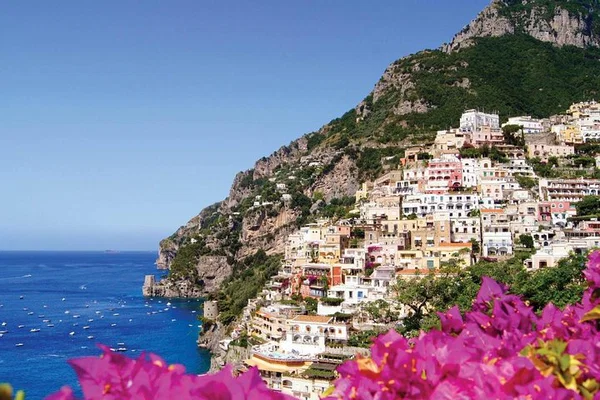
Full-day Sorrento, Amalfi Coast, and Pompeii Day Tour from Naples offers a captivating journey through some of Italy's most iconic destinations. This tour is perfect for travelers wanting to experience the beauty of the Amalfi Coast, the charm of Sorrento, and the historical significance of Pompeii, all in one day.
Expect a breathtaking drive along the Amalfi Coast, with a stop in Positano where one can explore the picturesque hillside town. Next is the serene town of Sorrento, offering more opportunities for exploration. The journey continues to Pompeii, where a guide leads a two-hour tour of the ancient ruins, revealing the stories of this preserved city before returning to Naples' port.
This comprehensive tour includes a driver and English-speaking guide for groups, ensuring a smooth and informative experience. Port pickup and drop-off are included. Travel comfortably in an air-conditioned minivan or minibus. Please note that lunch, food, drinks, and admission fees are not included.
Naples
€81
Pompeii, Sorrento & Positano Day Trip from Naples/Salerno
4.7
(558 reviews)
 Duration: 480
minutes
Duration: 480
minutes
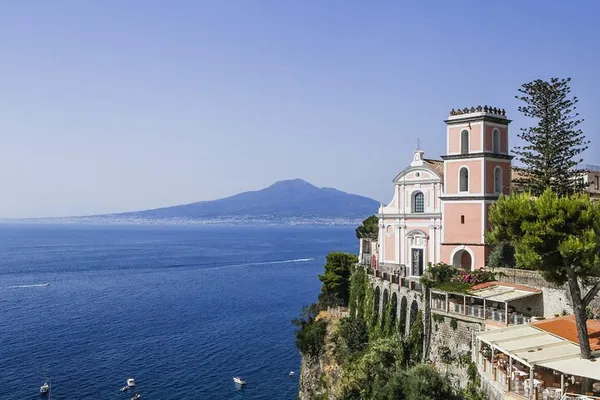
Day Trip of Pompeii, Sorrento and Positano from Naples/Salerno offers a perfect blend of history, culture, and beautiful scenery. This full-day adventure takes travelers to some of Italy's most iconic destinations, promising unforgettable memories.
What to Expect: This tour starts with a visit to Pompeii, a city frozen in time by the eruption of Mount Vesuvius. Visitors can walk the ancient streets and see the remains of Roman life. Next, the tour heads to Sorrento, known for its charming streets, artisan shops, and stunning coastal views, plus a chance to taste authentic limoncello. Finally, the tour stops at Positano, a beautiful cliffside village on the Amalfi Coast, where guests can enjoy panoramic views and capture amazing photos.
The tour includes live commentary, all fees and taxes, a limoncello tasting, and a comfortable air-conditioned vehicle. Pickup and drop-off are conveniently located at Stazione Marittima, Ramada by Wyndham Naples, or Salerno port. An English-speaking driver or host ensures a smooth and informative experience. Guests also enjoy breathtaking scenic stops and fresh water. Please note that entrance tickets to the sites, multilingual commentary, optional activities, and a dedicated guide or audio guide are not included. Book with Di Sarno Car Service for a memorable experience.
Naples
€80
Pompeii & Amalfi Coast Day Trip from Naples (Lunch Option)
4.7
(2125 reviews)
Duration: 480
minutes
From Naples, this tour takes travelers on a journey to explore two of Italy's most iconic destinations: Pompeii and the Amalfi Coast. This full-day trip combines ancient history with stunning coastal scenery, offering a memorable experience for history buffs and nature lovers alike. Travelers will have an adventure with this Bus Tour, Shore Excursion, Archaeology Tours, Full-day Tours, Ports of Call Tours.
The adventure starts with a visit to Pompeii, the remarkably preserved Roman city frozen in time by the eruption of Mount Vesuvius in 79 AD. With an expert local guide, explore the ruins, wander through ancient streets, and learn about the daily life of Pompeii's inhabitants before the catastrophic event. This unique archaeological site provides a window into the past, showcasing the city's forums, temples, and homes. The Pompeii entrance fee is included.
After immersing in history, the tour continues to the Amalfi Coast, a UNESCO World Heritage site known for its dramatic cliffs, picturesque towns, and breathtaking views. Enjoy a scenic drive along the winding coastal road, stopping at a panoramic viewpoint for photos. The tour includes a visit to a Limoncello Factory to experience the zest of Amalfi. There will be a guided tour in Amalfi Town Center, allowing for exploration of this charming town. An optional lunch can be selected to enjoy local cuisine. The tour includes pickup from selected meeting points in Naples and live commentary on board.
Naples
€120
Unearth History: Pompeii, Herculaneum & Vesuvius Day Trip from Naples
4.6
(544 reviews)
Duration: 480
minutes
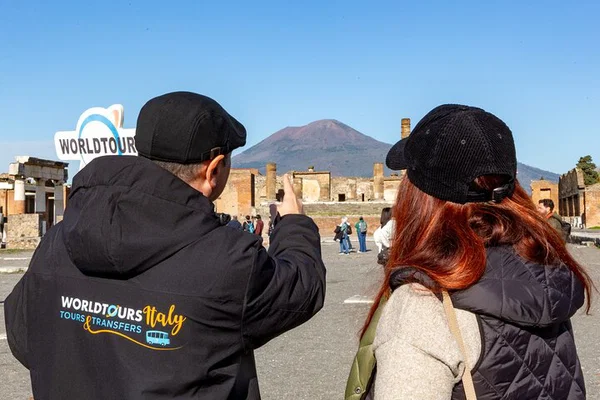
Day Trip of Pompeii, Herculaneum and Vesuvius from Naples explores ancient Roman history. This full-day tour visits Herculaneum, Vesuvius, and Pompeii with guided insights and convenient pickup. Witness preserved ruins, hike to Vesuvius' crater for panoramic views, and comfortably travel by air-conditioned vehicle, perfect for history enthusiasts and adventure seekers.
Nearby Events

Arena Flegrea
Aug 27
9:30 PMBook Tickets: Salmo Live at Arena Flegrea
Salmo brings his electrifying Hip-Hop and Alternative Rap performance to the iconic Arena Flegrea in Napoli, delivering a high-energy show that showcases his mastery of the genre. As the frontman of his 2026 World Tour, the Italian artist continues to conquer arenas across Europe with a reputation for dynamic live sets and powerful storytelling that resonates deeply with fans.
Salmo is celebrated as one of Italy's most significant contemporary rap artists, known for blending raw lyricism with innovative musical production that pushes the boundaries of Alternative Rap. Arena Flegrea, a historic venue in Napoli, provides the perfect atmospheric backdrop for this unforgettable musical experience, known for its grand scale and vibrant local energy.

Palapartenope
Nov 14
9:00 PMMarco Masini - PALASPORT 2026

Palapartenope
Dec 05
9:00 PMANNA Vera Baddie Tour 2025 at Palapartenope
ANNA brings the Vera Baddie Tour 2025 to Palapartenope in Napoli, delivering a high-energy pop performance that showcases her dynamic artistry and connection with fans. This concert marks another stop on her touring schedule, giving Italian audiences the chance to experience her signature sound and engaging stage presence in one of Southern Italy's premier entertainment venues.
ANNA has established herself as a notable figure in the pop music landscape, known for her bold performances and dedicated fanbase. Palapartenope, located in the heart of Naples, is a 3,300-capacity theatre that has hosted major artists and continues to be a cultural cornerstone for live music events in the Campania region.

Palasele
Nov 09
9:00 PMLaura Pausini Io Canto Tour at Palasele Eboli
Laura Pausini's Io Canto World Tour arrives at Palasele in Eboli, offering an extraordinary live music event featuring the Italian superstar’s greatest hits and songs from her latest album, "Io canto 2 / Yo canto 2." Known globally for her powerful voice and heartfelt lyrics, Pausini’s tour captivates audiences with a mix of Spanish and Italian classics across world and Latin music genres.
Laura Pausini is acclaimed for her three-decade-long career and GRAMMY-winning performances, making this tour a significant celebration of her artistry and musical legacy. Palasele, a prominent venue in Eboli, is renowned for hosting top concerts, providing an intimate yet vibrant atmosphere for unforgettable musical experiences.

Palapartenope
Dec 23
9:00 PMIRAMA | A Chi Ci Sarà Sempre - Palasport 2026

Casa Della Musica Federico I
Nov 16
9:00 PMAiello Live at Casa Della Musica Napoli
Aiello captivates audiences at Casa Della Musica Federico I in Napoli with his signature pop anthems and heartfelt performances. Known for hits like 'Verso Casa' and 'Domani è bello,' the Italian pop sensation delivers high-energy shows blending mainstream pop with emotional depth, drawing fans eager for his rising stardom.
Aiello's meteoric rise from Calabria roots to national fame has solidified his place among Italy's top pop artists, with sold-out tours and chart-topping singles. Casa Della Musica Federico I, a premier Napoli venue at Via Barbagallo 115, hosts top pop and hip-hop acts in an intimate hall setting.
The Bucket List Playbook: Top Things to do in Sorrento
Ready for adventure? Dyvarcity is your ultimate guide to the top 100 things to do in Sorrento From must-see attractions like Short Term Availability, Music, Private Sightseeing Tours & Pop in Sorrento. We've handpicked events & experiences with passion: whether you love activities that move your body, vibrant music, sports, food, or cultural explorations.
View Sorrento Activities