



Viator Rating : 5 (5 reviews)
 Berlin
Berlin Airport Transfer Tour: See City with Local Guide
Overview
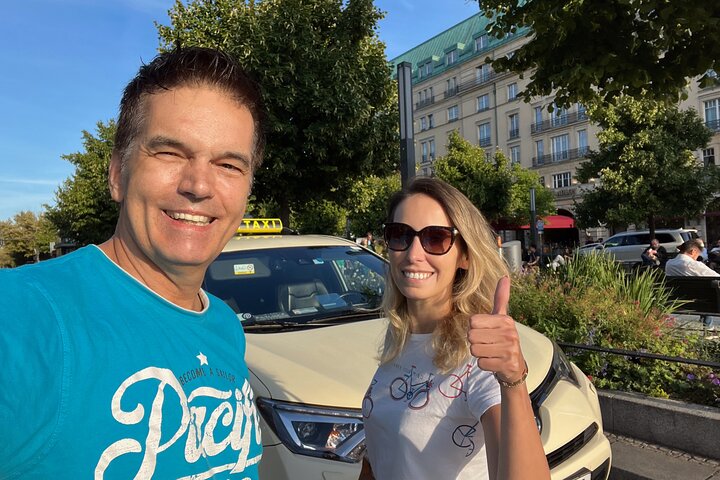
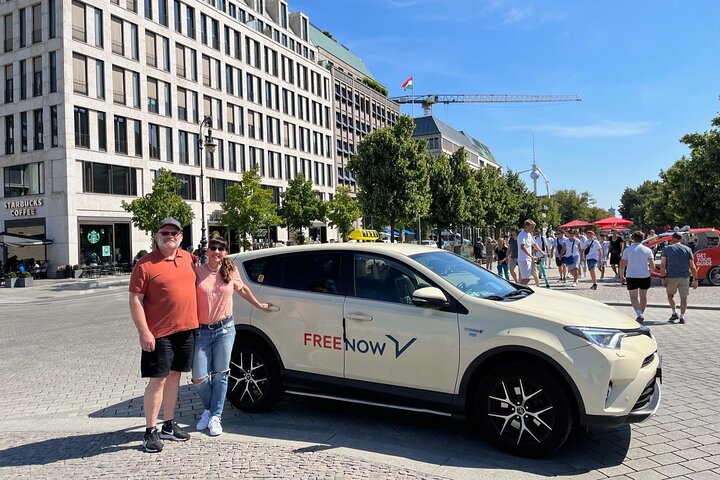
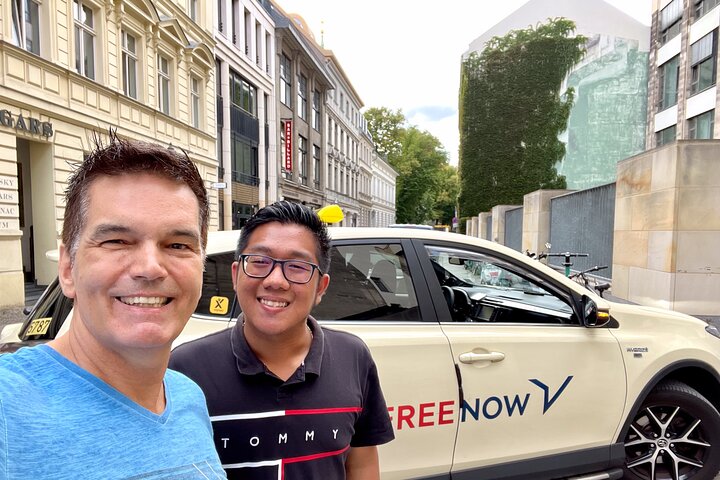
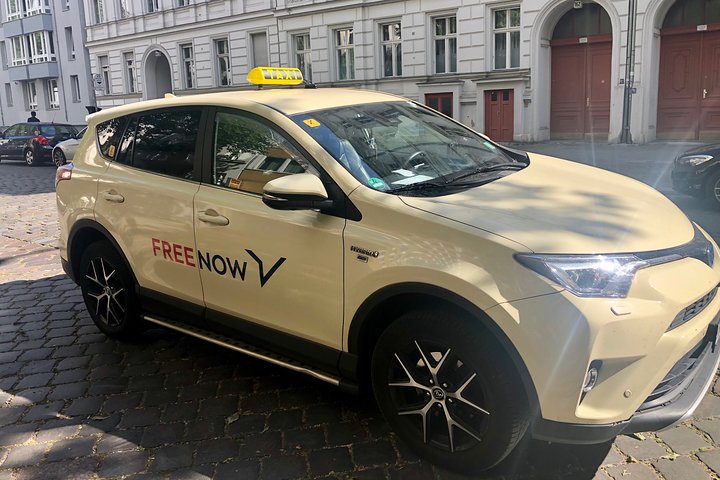
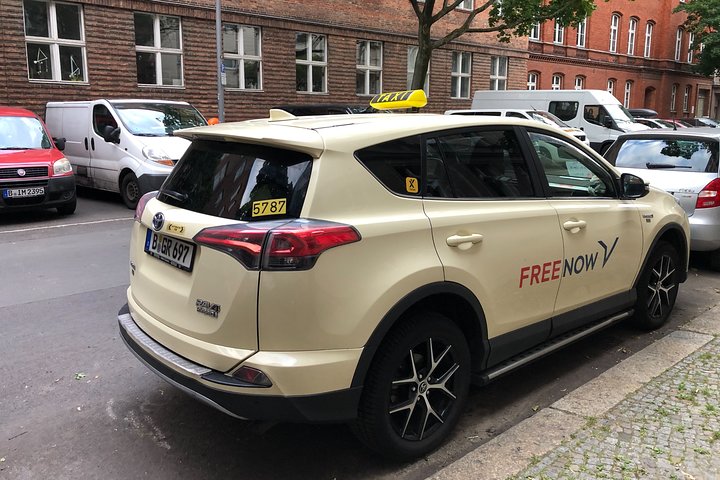
 Welcome/Farewell Sightseeing Taxi Tour + Transfer from/to the airport in Berlin offers a unique and comfortable way to see the city. This isn't just a ride; it's a personalized tour with a local guide who has lived in Berlin for over 20 years, ensuring plenty of insights and stories! You'll travel in comfort in your own private SUV.
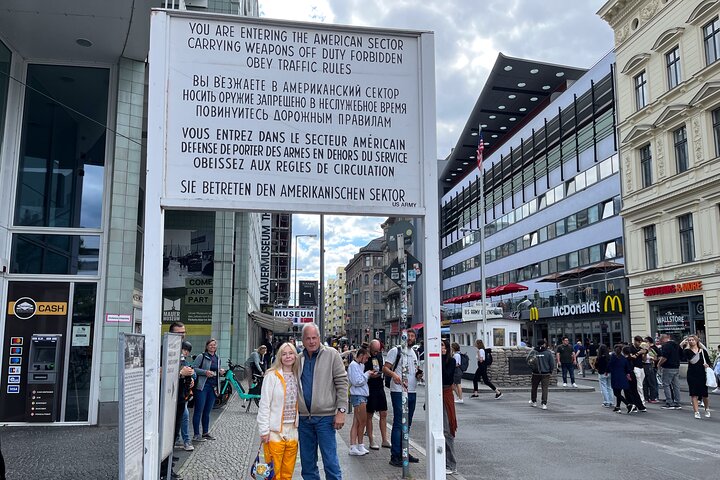
Imagine being picked up right from BER Airport (Welcome Tour) or your hotel (Farewell Tour), and then the city tour begins. See Berlin your way. This tour is flexible, letting the customer decide what to see, where to stop, and what to skip! The one-hour tour focuses on the former East Berlin, including the historic city center. The two-hour tour covers the entire city, east and west, including the government district. The three-hour tour adds a trendy district like Kreuzberg or Friedrichshain after a short break.
Expect to see iconic landmarks such as the Brandenburg Gate, Reichstag Building, and Unter den Linden Boulevard. Depending on the tour length, customers may also visit Museum Island, Alexanderplatz, and the Memorial to the Murdered Jews of Europe. This tour includes a comfortable taxi ride, a personal city tour, pick up from your location in the city, and even covers parking fees and the airport transfer. Gratuities and entrance fees are not included. 


Highlights

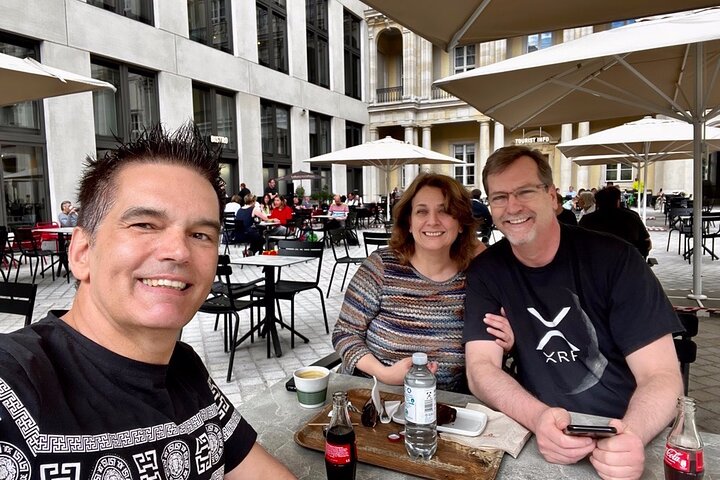
Personalized Tour: A local guide with 20+ years of Berlin experience provides a personal touch and many stories.
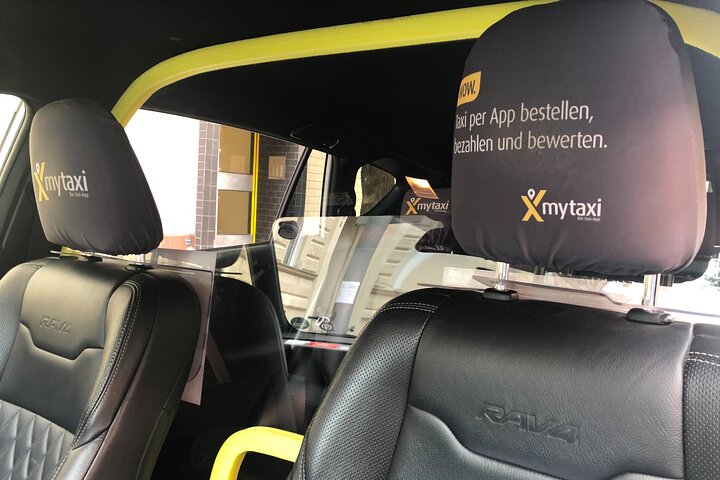
Comfortable Transport: Travel in a comfortable SUV, ensuring a relaxed and enjoyable sightseeing experience.
Customizable Itinerary: Decide what you want to see, where to stop, and what to skip. The tour adapts to your interests.
Airport Transfer Included: Get picked up from or dropped off at BER Airport, making your arrival or departure stress-free.
Sentiment Analysis
 Customers love the personalized experience with a local guide.
-
They appreciate the comfortable transportation in a private SUV.
-
The flexibility to customize the tour based on interests is a highlight.
-
Many find the airport transfer convenience extremely valuable.
 Some customers might find that entrance fees not being included may be an inconvenience.
-
Snacks are not provided, so customers should plan accordingly.
The Journey
Brandenburg Gate
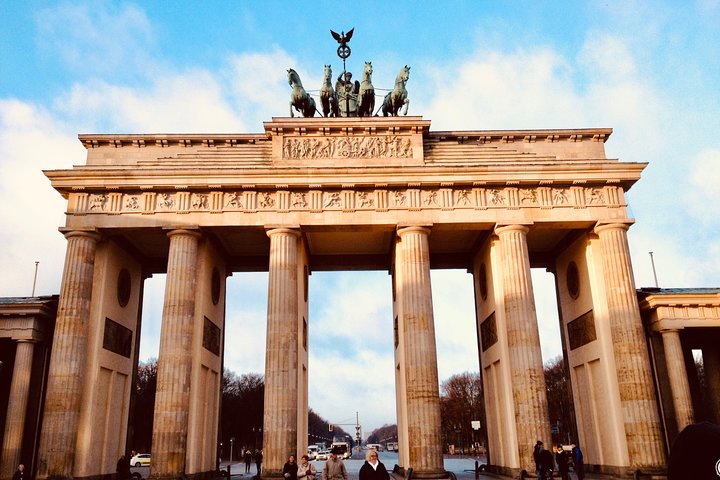
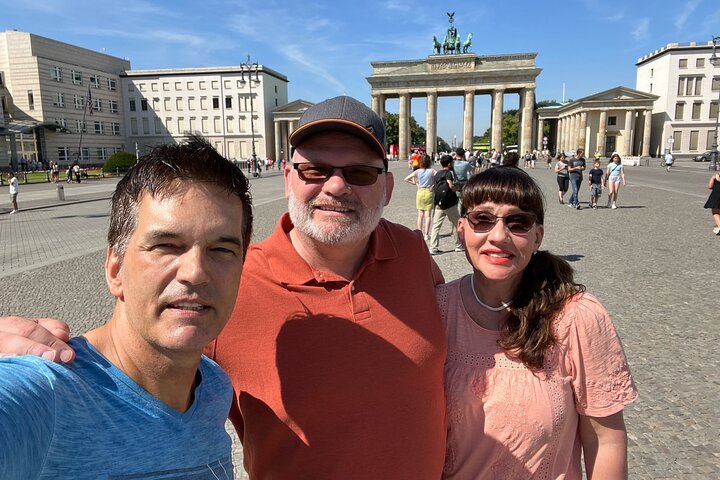
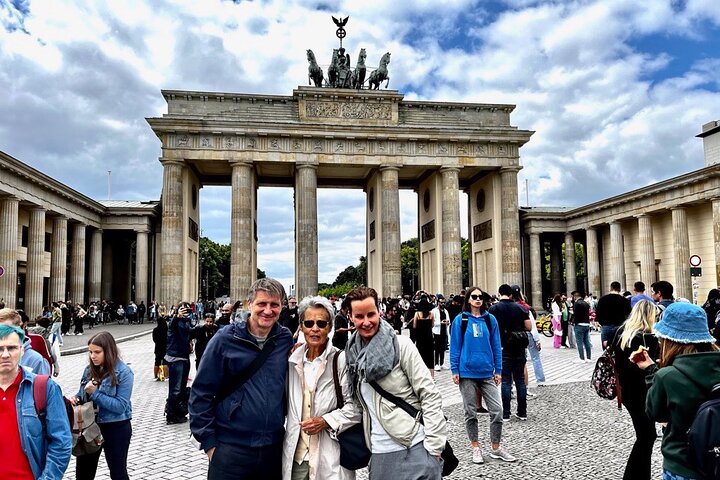
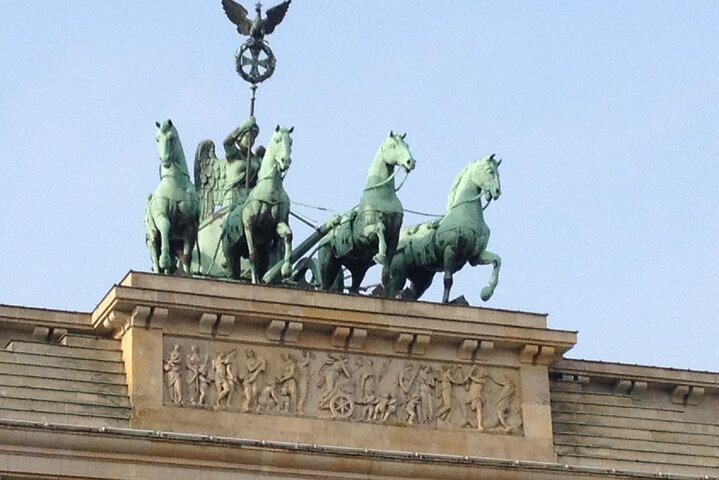
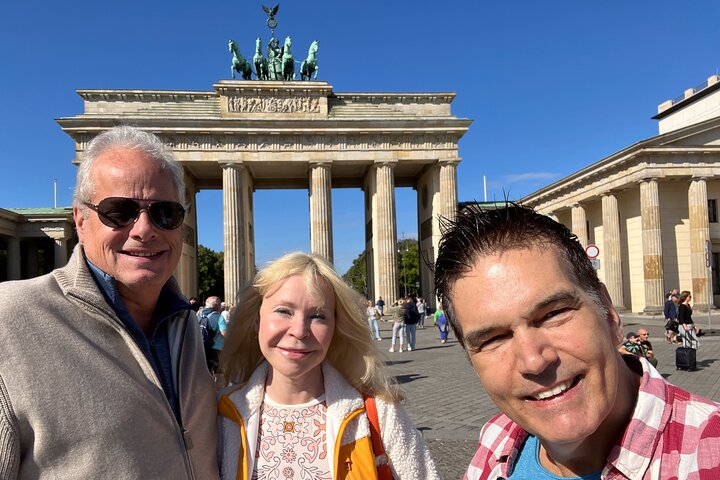
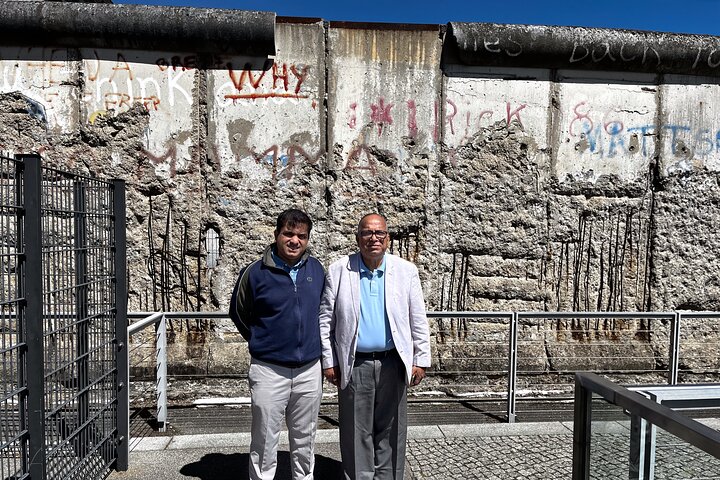
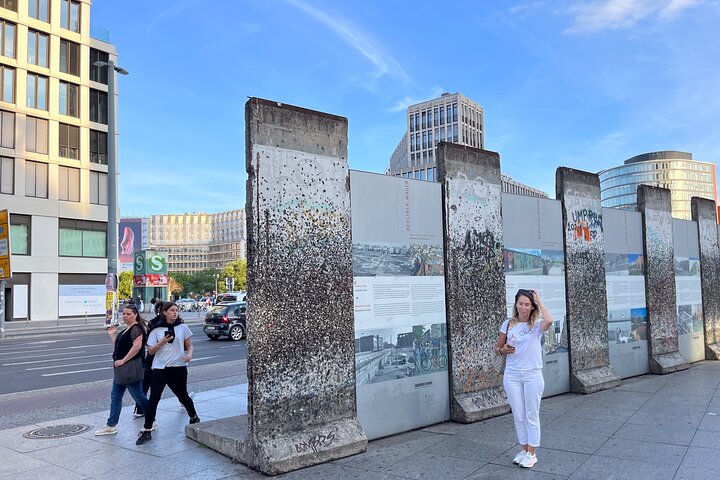
Stand beneath the iconic Brandenburg Gate, a symbol of Berlin and German reunification. Once a city gate, it gained prominence after the Napoleonic occupation when Napoleon seized the Quadriga. After the Allied victory, the Quadriga returned triumphantly, now crowned with an eagle. During the Cold War, the gate stood isolated by the Berlin Wall, a poignant symbol of division. Today, it represents unity and freedom, a must-see landmark for any visitor.
Reichstag Building
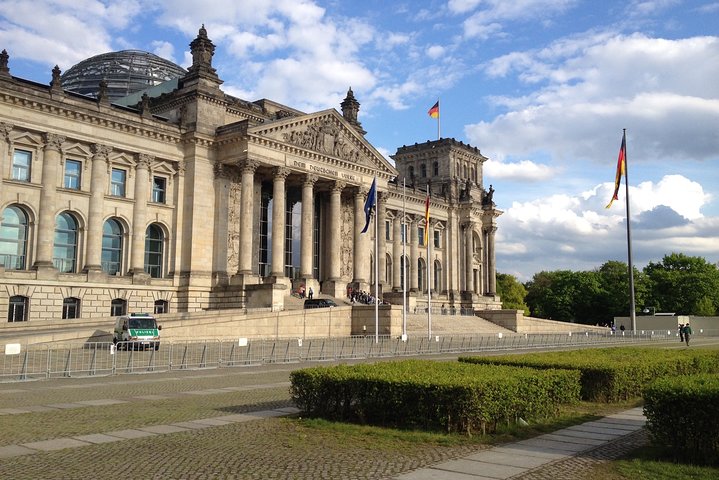
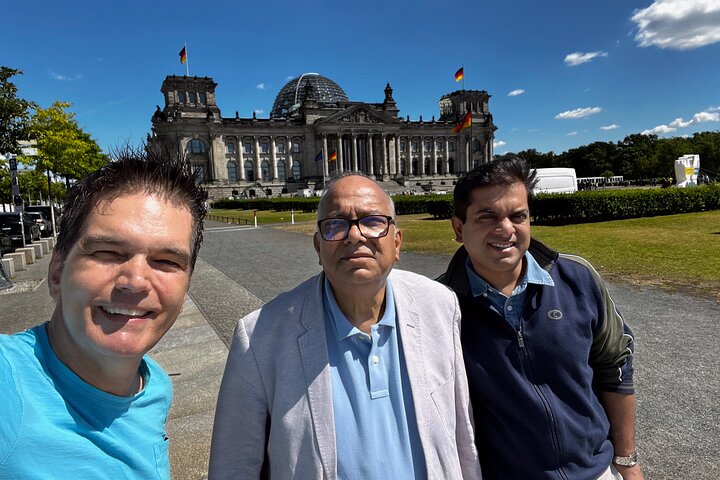
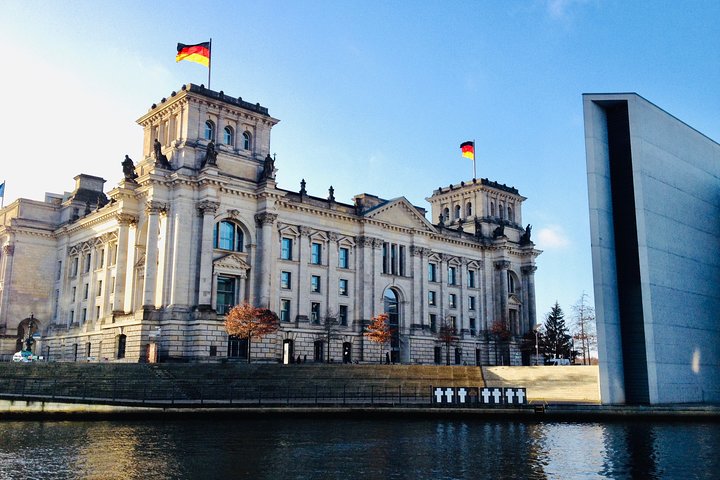
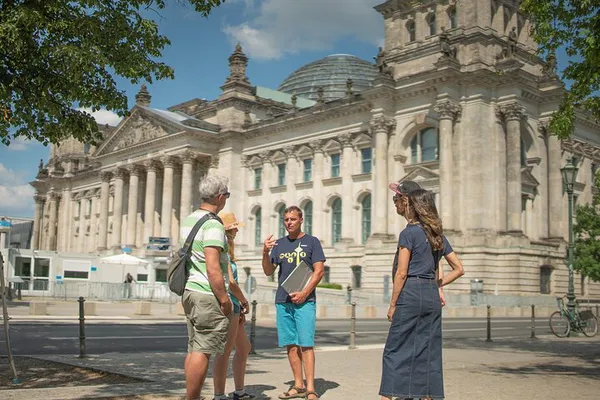
Visit the Reichstag Building, a Wilhelmine-era structure that has witnessed pivotal moments in German history. Once dismissed as a "monkey house," it gained historical significance when Soviet soldiers raised their flag here in 1945. After decades of neglect near the Berlin Wall, it was gutted and redesigned in the 1990s to house the reunited Bundestag. Don't miss the iconic glass dome, offering panoramic views of Berlin and symbolizing transparency in government.
Federal Chancellery
Admire the impressive Federal Chancellery, a colossal building housing the German Chancellor's office. Towering at 36 meters with ten floors and 500 rooms, it dwarfs even the White House. While the Chancellor has an official apartment in the rotunda, it remains unused. This modern structure represents the heart of German political power, showcasing contemporary architecture and governmental function.
Marie-Elisabeth-Lüders-Haus
Explore the Marie-Elisabeth-Lüders-Haus, the engine of the German parliament. This over 200-meter-long building houses parliament's committees, where the real work of discussion and voting takes place. Its glass architecture allows glimpses into the parliamentary process. The building's rotundas, facing the Spree, provide space for the EU and secret committees and are hidden from public view.
Friedrichstraße Station (Tränenpalast)
Reflect on the history of Friedrichstraße Station, a key crossing point between East and West Berlin during the Cold War. This was the only station where journeys from East to West were possible, including the Paris Moscow Express. It also became a place of desperate escape attempts. Adjacent to the "Palace of Tears" (Tränenpalast), it was where East Berliners bid farewell to their relatives, often permanently, under the watchful eyes of Stasi officers.
Unter den Linden Boulevard
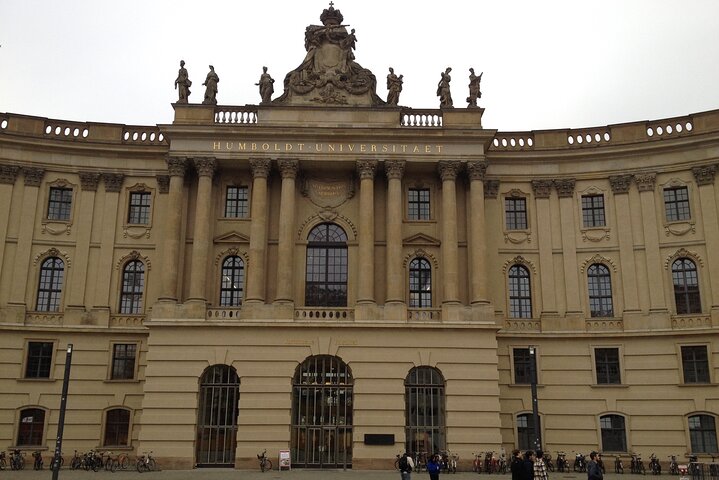
Stroll along Unter den Linden, Berlin's grand boulevard. Originally a bridle path leading from the Berlin Palace to the Tiergarten hunting grounds, it transformed into a remarkable avenue lined with linden trees. Today, it is home to prominent buildings like the State Library, Humboldt University, and the State Opera. Enjoy the ambiance of the remaining cafes, making it a perfect place for a leisurely walk through Berlin's history and culture.
Pariser Platz
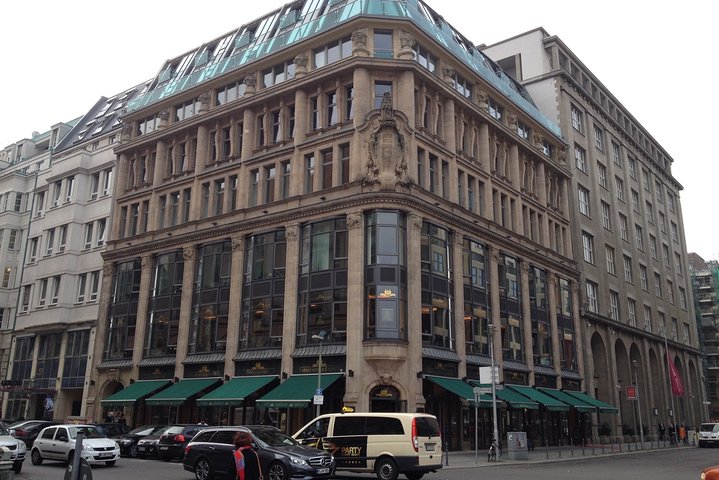
Experience the elegance of Pariser Platz, often considered Berlin's "good room." Once surrounded by war-torn buildings, it has been meticulously reconstructed after the fall of the Wall. Today, it houses embassies and cultural institutions like the Liebermann Haus and the Akademie der Künste. The square represents Berlin's recovery and modernization, blending historical cubature with contemporary design.
Soviet War Memorial (Treptower Park)
Visit the Soviet War Memorial, formerly the largest foreign representation of the Soviet Union in Europe. Built after the war to demonstrate Soviet dominance in Berlin, it stands in stark contrast to the ruins of American, British, and French embassies on Pariser Platz. Despite Stalin's paranoia, the palace-like structure offered amenities like a school, swimming pool and ballrooms. Today, it continues to be used by the successor states of the USSR, known as CIS.
Gendarmenmarkt
Discover Gendarmenmarkt, often hailed as Berlin's most beautiful square. Framed by the German and French Cathedrals and the Konzerthaus Berlin (formerly a playhouse), the square exudes architectural harmony. Despite their names, the cathedrals are simple parish houses embellished by Friedrich II. The German Cathedral houses a museum of German parliamentary history, while the French Cathedral is still used by a reformed congregation with services in French.
Bebelplatz (Forum Fridericianum)
Reflect at Bebelplatz, part of the Forum Fridericianum, comprising the chest of drawers (royal court library), St. Hedwig Cathedral, State Opera, and Humboldt University. Once a simple square, it holds a poignant history. A glass window in the floor marks the site where Nazi book burnings took place on May 10, 1933. The square, flanked by the Humboldt University (originally a palace for Prince Heinrich), serves as a reminder of Berlin's complex past.
Neue Wache Memorial
Visit the Neue Wache, formerly a guardhouse and now a central memorial for victims of war and tyranny. Once the site of the changing of the guard by East Berlin soldiers, it now houses an enlarged pieta sculpture by Käthe Kollwitz, symbolizing mourning. It serves as a solemn place for remembrance, often marked by statesman-like wreath-laying ceremonies, especially on Memorial Day in November.
Kronprinzenpalais & Kronprinzessinnenpalais
Admire the Kronprinzenpalais (Crown Prince's Palace) and Kronprinzessinnenpalais (Crown Princesses' Palace), often overshadowed by the grand structures on Unter den Linden. These palaces served as residences for crown princes and princesses, where they were born, raised, and often gave birth. Connected by a corridor, the Kronprinzessinnenpalais has served as an opera cafe and exhibition space, while the Kronprinz's Palace supports the reconstruction of the City Palace/Humboldt Forum.
German Historical Museum (Deutsches Historisches Museum)
Explore the German Historical Museum, housed in the former armory. Historically a repository for war equipment and captured enemy artifacts, it evolved into a war weapons museum and later a military history museum during GDR times. After reunification, it became the central museum of German history. Pay attention to the exterior frescoes and courtyard replica dead masks of dying warriors, created by Andreas Schlueter, the builder of the baroque Berlin palace.
Humboldt Forum (Berlin Palace)
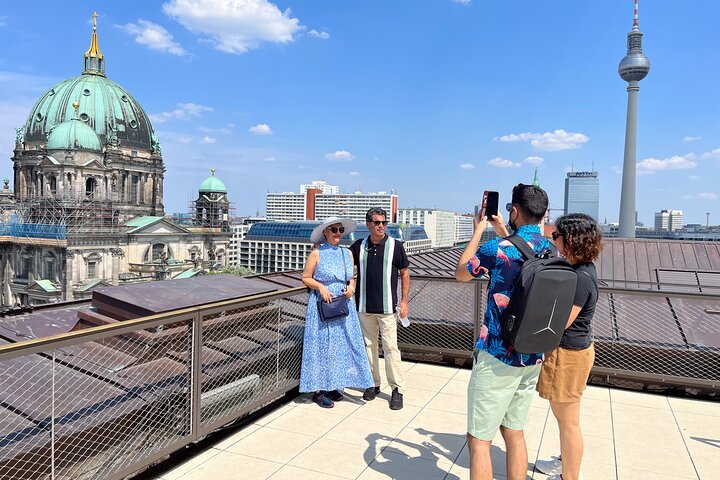
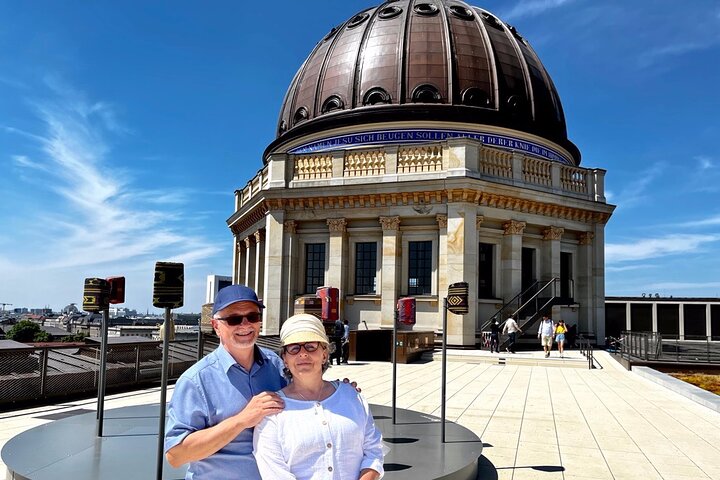
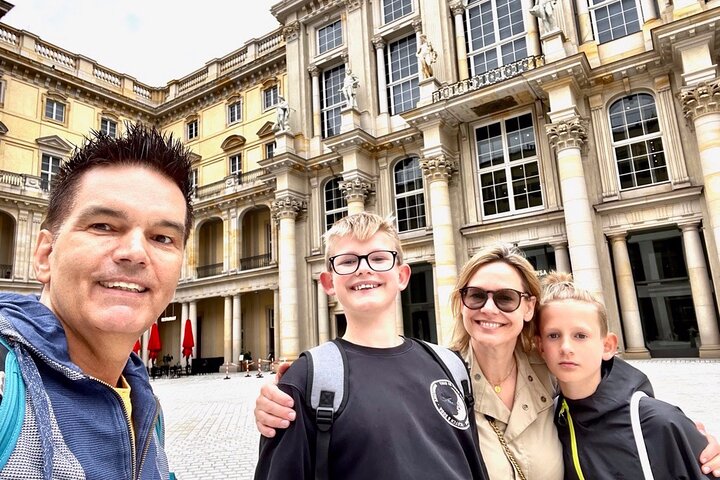
Discover the Humboldt Forum, a reconstructed Berlin Palace opened in 2021-22. After decades as a parking lot following the war and the palace's demolition by East Berlin authorities, the palace has been rebuilt to its original baroque exterior. The inner courtyard of Schlueter has been meticulously recreated. Enjoy the fantastic views from the roof terrace, offering a panoramic perspective on Berlin's history and modern development.
Berlin Cathedral (Berliner Dom)
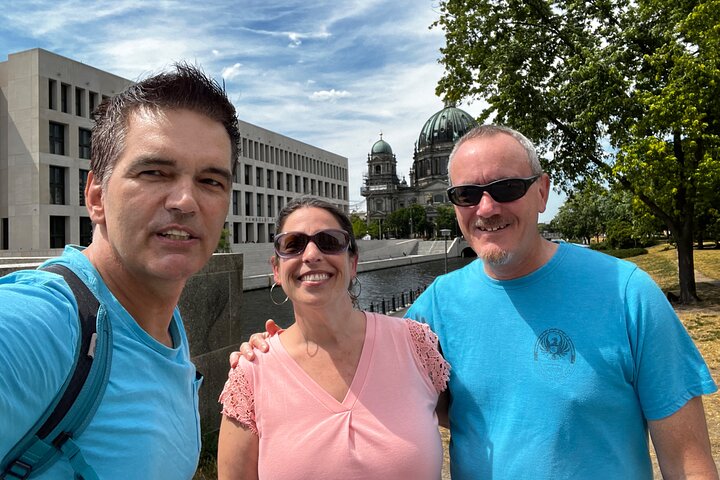
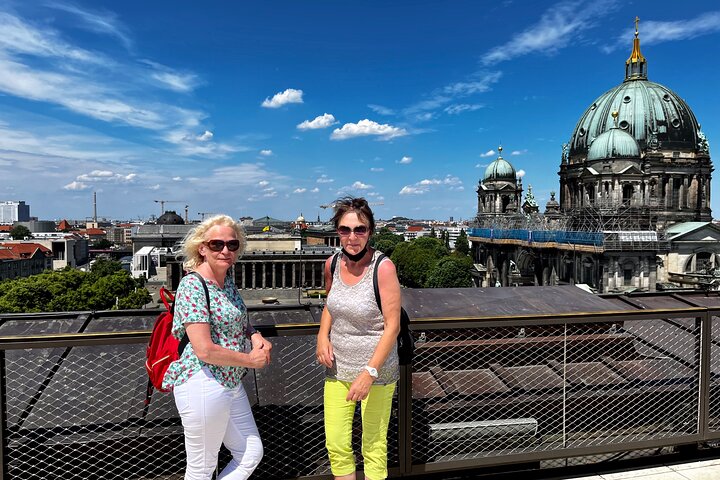
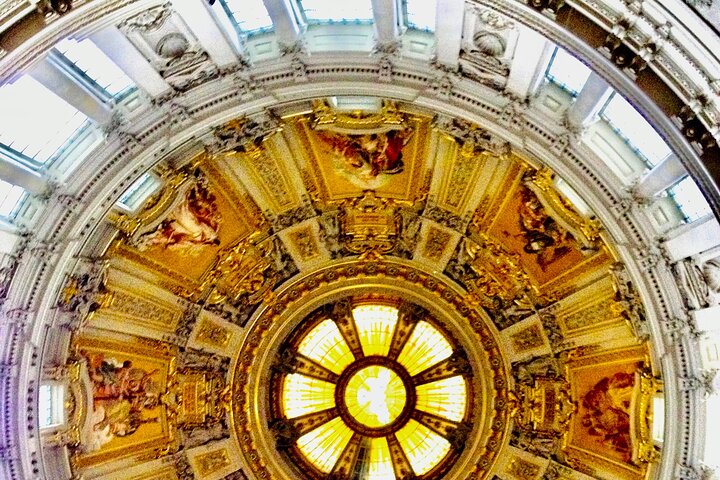
Visit the Berlin Cathedral, a majestic structure despite being relatively young (built only about 115 years ago). While appearing older than it is, the cathedral conceals a wealth of beauty within, from its dome to its crypt. It represents Berlin's compressed history of destruction and rebuilding. Ascend to the dome for breathtaking views of the city and marvel at the Hohenzollern burial place, making it a must-see landmark.
Museum Island
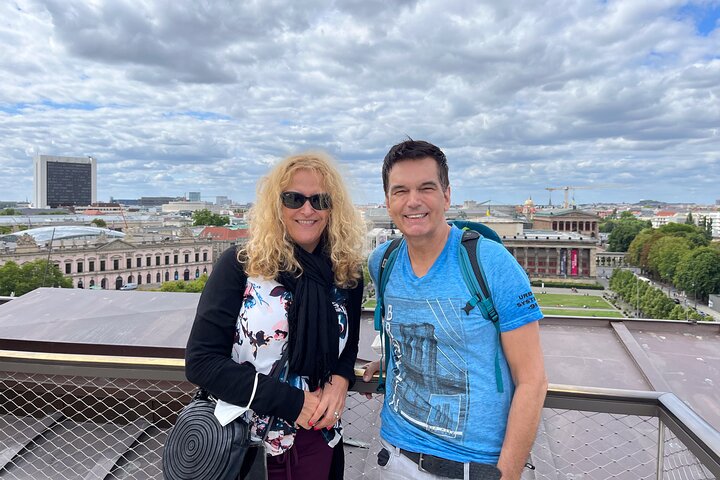
Explore Museum Island, a UNESCO World Heritage site on the northern part of Spree Island. This ensemble of five world-famous museums includes the Altes Museum, Neues Museum (home to the Nefertiti Bust), Alte Nationalgalerie, Bode Museum, and Pergamon Museum. Each museum offers a unique collection, from ancient artifacts to architectural wonders, representing a cultural treasure trove from the 1800s and 1930s.
Hackesche Höfe
Discover the Hackesche Höfe, a hidden gem of small-scale, almost small-town Berlin. This interconnected series of courtyards offers a glimpse into old Berlin, showcasing restored residential and commercial buildings. Once poorly used as warehouses during the GDR era, the Hackesche Höfe now blend living and working spaces, with studios, factories, and unique shops. This spot reveals a more intimate side of Berlin's historical charm.
Hamburger Straße (Straße der Toleranz)
Explore Hamburger Straße, also known as the Straße der Toleranz (Street of Tolerance). Once the Spandau suburb, it housed a diverse community, including Jewish, Protestant, and Catholic congregations. Visit the Sophienkirche, the old Jewish cemetery (where members of the Mendelssohn family are buried), and the Catholic hospital. The former synagogue, destroyed by bombs, once symbolized the Jewish community's newfound confidence in the 1860s.
Alexanderplatz
Experience Alexanderplatz, a bustling square with a rich history. Originally called Ochsenplatz, it was located outside the oldest city walls. During the GDR era, it was redesigned as a socialist prospect with modern buildings like the House of Tourism, the House of Electrical Engineering, and the House of the Teacher. Today, it remains a central hub, surrounded by shops, attractions, and the iconic television tower.
Rotes Rathaus (Red City Hall)
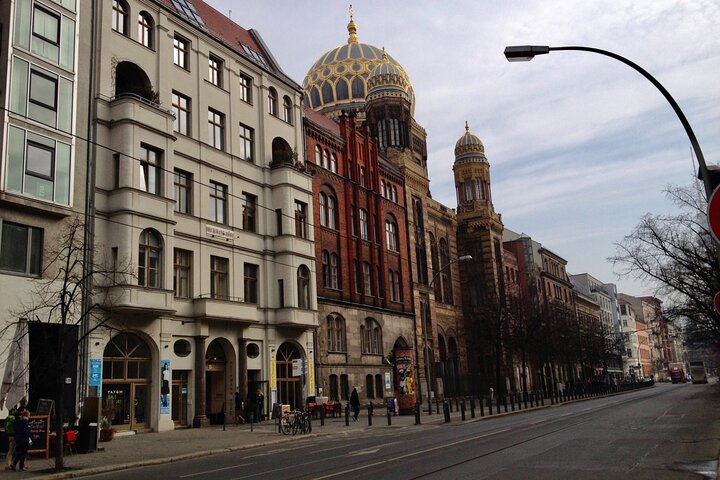
Visit the Rotes Rathaus, named for its red bricks. It served as the seat of the East Berlin magistrate during the city's division, while the West Berlin governor resided in the Schöneberg town hall. Built in the New Gothic style, the Red City Hall offers free access to some of its interesting rooms. Nearby, the town house, built in the 1870s with a towering dome, demonstrates Berlin's growth and historical significance.
Nikolaiviertel (Nikolai Quarter)
Immerse yourself in old Berlin at the Nikolaiviertel, a reconstructed quarter from the 1980s. Despite being a modern recreation, it captures the essence of historical Berlin with its charming streets and buildings. Visit the Nikolaikirche, Berlin's oldest church (now a city museum), and the Knoblauchhaus, a Biedermeier-style house showcasing a cloth maker's family life. Enjoy traditional Berlin cuisine with a view of the Spree, creating a memorable historical experience.
Mühlendammschleuse (Mühlendamm Lock)
Discover the Mühlendammschleuse, the site of Berlin's oldest crossing. Here, two Berlins met across the Spree, leading to settlements for fishermen (Cologne) and traders (Berlin). Originally a dam with mills, it later housed a small lock in the 19th century. In the 1930s, the entire structure was replaced by a modern double chamber lock, shaping Berlin's historical connection to the Spree River.
Hausvogteiplatz
Explore Hausvogteiplatz, a hidden gem revitalized after the fall of the Wall. Once a hub of Jewish clothing tailoring in the 19th century, it was named after an old Vogtei (prison). Today, restored houses and art installations commemorate this past. The area features modern living in old Berlin, with unique row houses designed by different architects, offering a glimpse into Berlin's historical and contemporary blend.
Memorial to the Murdered Jews of Europe
Visit the Memorial to the Murdered Jews of Europe, a field of 2,711 stelae between the Brandenburg Gate and Potsdamer Platz. Designed by Peter Eisenmann, it evokes the insecurity and confusion experienced by the Jewish population during Nazi Germany. A walk through the stelae illustrates the uncertainty and fear, prompting reflection on this dark chapter in history. An information center in the basement provides further context.
Potsdamer Platz
Experience the modern transformation of Potsdamer Platz, once a desolate wasteland divided by the Berlin Wall. In the Roaring 20s, it was Europe's busiest traffic hub, but was largely destroyed during the war. After reunification, developments by Sony and Mercedes created a vibrant quarter with entertainment venues, museums, shops, offices, and apartments. This modern hub symbolizes Berlin's rebirth and its dynamic spirit.
Know Before You Go
This tour includes a taxi ride with 7% VAT and a city tour with 19% VAT, pick up from your desired location in the city, parking fees, and transfer from/to BER Airport. It excludes snacks, entrance fees, and gratuities.
Hot Tip
To make the most of the tour, it is best to communicate specific interests and preferences to the guide beforehand. This helps customize the itinerary and maximize your experience. Also, keep in mind that the tour does not include snacks or entrance fees, so plan and pack accordingly.
Review Summary
Customers generally say this private taxi tour receives strong praise for knowledgeable local guides with deep Berlin insights, comfortable SUVs, customizable itineraries covering East-West highlights, and convenient airport transfers, as seen in 133 reviews for the 4-6h version and 118 for Potsdam extensions. Positive points frequently highlight personal anecdotes and efficiency; negatives are minimal but some note extra fees for outer areas.
This page is synthesized and developed by Dyvarcity Team
More like this
 Berlin
€159.5
Unveiling Berlin's Dark Past: A Third Reich Private Walking Tour
 5.0
(360 reviews)
5.0
(360 reviews)
The Berlin Third Reich tour offers a poignant 4-hour private exploration of Nazi Germany's impact. Visit key sites like Hitler's Bunker, Bendler Block, Reichstag, and the Topography of Terror, providing a compelling overview of Berlin's complex history during the Nazi era and Holocaust Memorial. The tour includes hotel pickup and drop-off.
Berlin
€247.24
Berlin's History on Wheels: Trabant Limo Private Tour!
5.0
(186 reviews)
 Duration: 150
minutes
Duration: 150
minutes
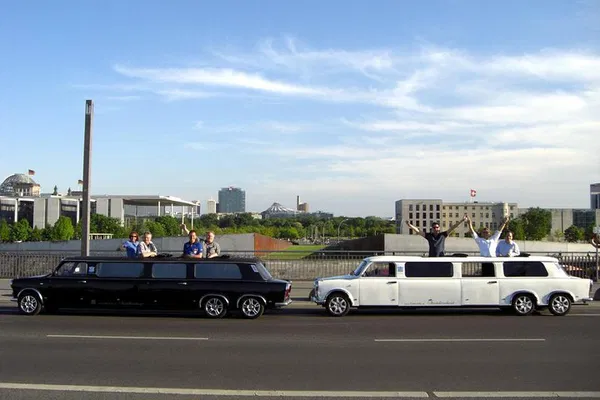
Experience Berlin in a Trabant stretch-limousine! Enjoy a private tour tailored to your interests, with a guide providing insights into Berlin's history. See iconic sights like Checkpoint Charlie and Museum Island from the unique vehicle, offering a luxurious twist on a classic symbol of East Germany.

Berlin
€149.5
Berlin's History: Private Walking Tour of German Capital
5.0
(244 reviews)
Duration: 240
minutes
Berlin Private Half-Day Walking Tour: Discover the German capital's amazing story with a personal guide! This walking tour is perfect for anyone who wants to learn about Berlin's past, from when it was first built to its time as a divided city and its reunion.
Get ready to see famous places like the Brandenburg Gate and the place where Hitler's bunker was. You'll also see parts of the Berlin Wall and learn how Berlin changed over the years. This tour makes learning about history fun and easy.
Your guide will meet you at your hotel. They'll give you a map of Berlin with good places to visit, like museums, and tips on how to use the city's public transportation. Remember, food and drinks are not included. Also, you'll need to pay for your own public transport tickets. Gratuities are not included. The cost of a single ticket in Berlin is €2.70, Day Pass is €7.00, Group ticket for 5 people is €17.30 (prices can change). The price does not include any gratuities.
Berlin
€159.5
Berlin WWII & Cold War Private Walking Tour
5.0
(229 reviews)
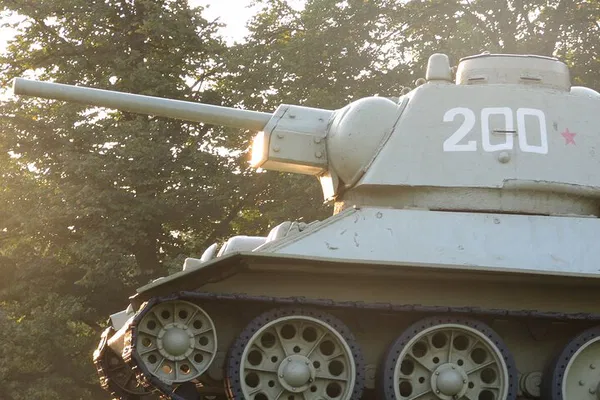
Private Walking Tour: World War 2 and Cold War Sites in Berlin gives visitors a deep dive into the city's captivating history. This walking tour focuses on Berlin’s WWII and Cold War eras, providing many chances to capture amazing photos. An expert guide leads this tour through Berlin’s most important places, like the Berlin Wall, Brandenburg Gate, Reichstag, and Checkpoint Charlie, along with lesser-known spots related to the Third Reich and the divided city.
Visitors can expect to walk through historic areas and important locations. The guide shares powerful stories from Berlin's dark days under Nazi rule and the tense Cold War years. Guests will take memorable photos at each stop, capturing Berlin's beautiful buildings and the deep history found in each place. Key tour stops include WWII Monuments, Brandenburg Gate and Reichstag, Memorial to the Murdered Jews of Europe, Historical Berlin, Reich Air Ministry, Topography of Terror, Checkpoint Charlie, Palace of Tears (Tränenpalast), Tempelhofer Feld, Bernauer Strasse, and Hohenschönhausen Memorial, and East Side Gallery.
This private tour offers a strong and picturesque look at the city's past and strength. It includes hotel pickup and drop-off, as well as a professional guide. Gratuities, food, and drinks are not included.
Berlin
€159.5
Berlin's Best: Private Walking Tour of Highlights & Hidden Gems
4.9
(292 reviews)
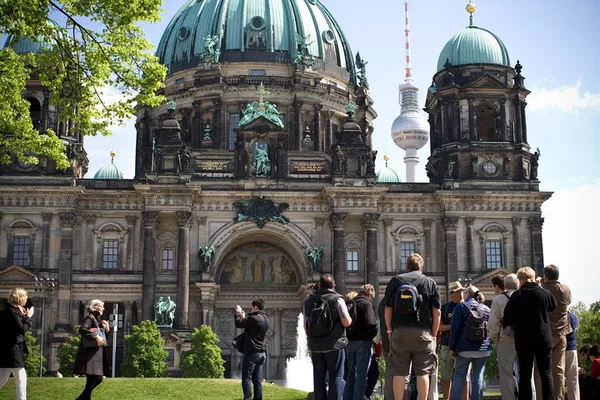
Private Berlin Highlights and Hidden Sights Walking Tour lets you discover Berlin's captivating past and vibrant present on foot. This private walking tour is perfect for anyone who wants to see the best of Berlin, from its famous landmarks to its hidden gems. Get ready for lots of pictures! A local expert guide will lead the way, sharing stories and insights that bring the city to life.
See iconic sites like the Brandenburg Gate, where history was made. Reflect at the Berlin Wall Memorial and Checkpoint Charlie, remembering the city's divided past. Explore Gendarmenmarkt, one of Berlin's most beautiful squares, and delve into the secrets of the Führerbunker. The tour also goes to the Reichstag, East Side Gallery, Museum Island, Berlin Cathedral, Bebelplatz, and Hackescher Höfe.
This private tour includes hotel pickup and drop-off and lasts 3 or 4 hours, depending on the option you choose. Gratuities, food, and drinks are not included. With over 2,500+ five-star reviews, this tour promises an unforgettable experience of Berlin's history, architecture, and unique energy.
Berlin
€590
Berlin Private Tour: Guide, Car & Photographer (5 Hours)
5.0
(64 reviews)
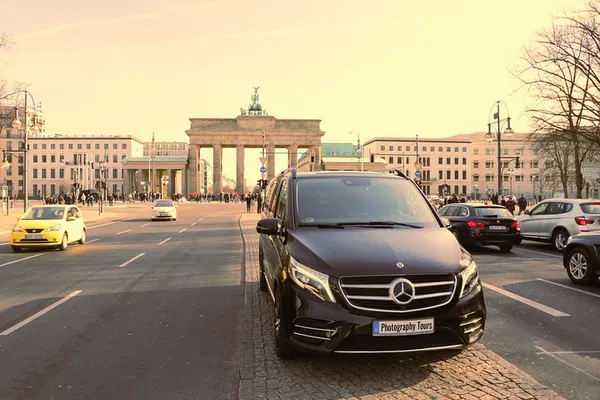
The 5-hour: Guide, Chauffeur & Photographer in Berlin private Tour takes visitors on an unforgettable journey through Berlin's rich history and vibrant culture. This private tour is designed for those who want a personalized experience, complete with a knowledgeable guide, comfortable transportation in a luxury Mercedes van, and a professional photographer to capture every moment.
Guests will explore iconic landmarks such as the Brandenburg Gate, Reichstag, Checkpoint Charlie, and remnants of the Berlin Wall. The tour includes short walking portions at key sites, where the guide shares historical background and captivating stories. The photographer will document these moments, providing guests with high-quality photos on the same day. This tour is fully customizable to meet any special requests.
Expect to see historical sites and walking tours that includes: Kurfürstendamm (Ku'damm), Charlottenburg Palace, Olympiastadion Berlin, Classic Remise Berlin, Bellevue Palace, Bundestag, Holocaust Memorial, Berlin Walking Tour, Scenic Stop, Statue of Frederick the Great, Memorial to May 10, 1933 Nazi Book Burning, Berlin Cathedral. The tour includes bottled water, hotel pick-up and drop-off, an air-conditioned vehicle, and guiding in English, German, Russian, or Hebrew.
Nearby Events

Privatclub
Oct 26
8:00 PMHyd - Infinity Tour

Uber Arena
Nov 28
8:00 PMChris Tall Logen Seat in Berlin Tickets
Chris Tall, Ticketmaster Suite Berlin at Uber Arena in Berlin brings the comedian’s new live program “Keep Laughing” to one of the city’s biggest stages, creating a premium comedy night with strong mainstream appeal and high-demand seating. Chris Tall is currently touring Germany with this new show, which has been promoted through major ticketing and venue listings as a fresh live experience for comedy fans.
Ticketmaster Suite Berlin adds an elevated hospitality angle to the event, combining a close-up live show atmosphere with a more exclusive arena experience. Uber Arena in Berlin is one of the city’s best-known large-scale entertainment venues, valued for its central location, modern facilities, and major-event production standards.

Uber Arena
Oct 07
8:00 PMJ. Cole Live at Uber Arena Berlin
J. Cole: The Fall-Off Tour at Uber Arena in Berlin puts one of hip-hop’s most respected lyricists in a major European arena setting, making this a high-demand stop for fans following his next chapter. J. Cole remains one of rap’s most talked-about artists thanks to his introspective storytelling, chart-topping catalog, and the long-running anticipation around The Fall-Off era, which keeps every live appearance feeling like a cultural moment.
Known for hosting major international concerts and sporting events, Uber Arena offers a polished, large-scale setting with strong sightlines, efficient crowd flow, and the production capacity needed for a headline hip-hop show. For fans of J. Cole, the combination of a top-tier venue and a prestige artist creates a concert experience built around lyricism, atmosphere, and arena-level energy.
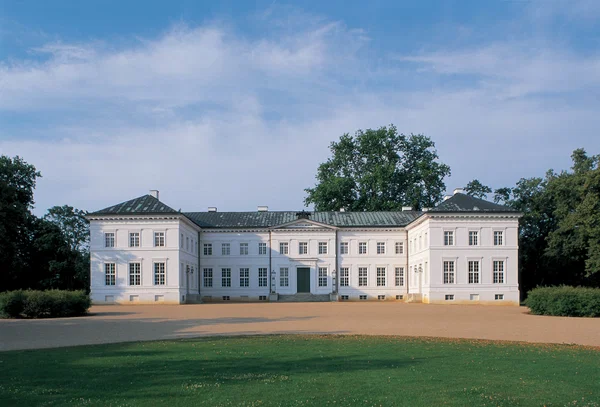
Schloss Neuhardenberg
Nov 29
4:00 PMSchlafe! Dornröschen im Bett zu spielen
Uber Arena
Oct 15
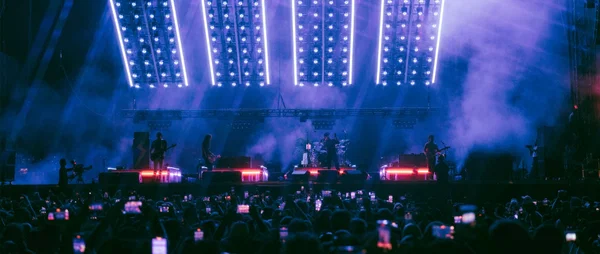
7:00 PMBook Tickets: The Strokes Live at Uber Arena Berlin
The Strokes bring their electrifying new album Reality Awaits to life at Uber Arena in Berlin, marking a pivotal moment in their 2026 global tour. Fresh from announcing their latest record, the band delivers a high-energy performance that blends iconic rock anthems with fresh tracks, captivating fans across Europe and North America.
The Strokes are celebrated for their raw sound and enduring influence on modern rock, with Reality Awaits out June 26, 2026, fueling worldwide excitement. Uber Arena, one of Berlin’s premier entertainment venues, hosts top-tier concerts with state-of-the-art acoustics and immersive staging.

Uber Arena
Sep 28
7:30 PMA$AP Rocky Live at Uber Arena
A$AP Rocky brings the Don't Be Dumb World Tour VIP Packages to Uber Arena, placing one of hip-hop’s most stylish and influential performers on a major Berlin stage. The show is built around Rocky’s sharp visuals, high-energy live presence, and the anticipation surrounding his next era as a recording artist and cultural figure.
Known for blending rap, fashion, and creative direction, A$AP Rocky has remained one of the most talked-about names in contemporary hip-hop. Uber Arena is one of Berlin’s premier live entertainment venues, with a reputation for large-scale productions, strong acoustics, and a central location that makes it a major destination for concerts in the city.
The Bucket List Playbook: Top Things to do in Berlin
Ready for adventure? Dyvarcity is your ultimate guide to the top 100 things to do in Berlin From must-see attractions like Short Term Availability, Music, Walking Tours & Rock in Berlin. We've handpicked events & experiences with passion: whether you love activities that move your body, vibrant music, sports, food, or cultural explorations.
View Berlin Activities